

OVERVIEW
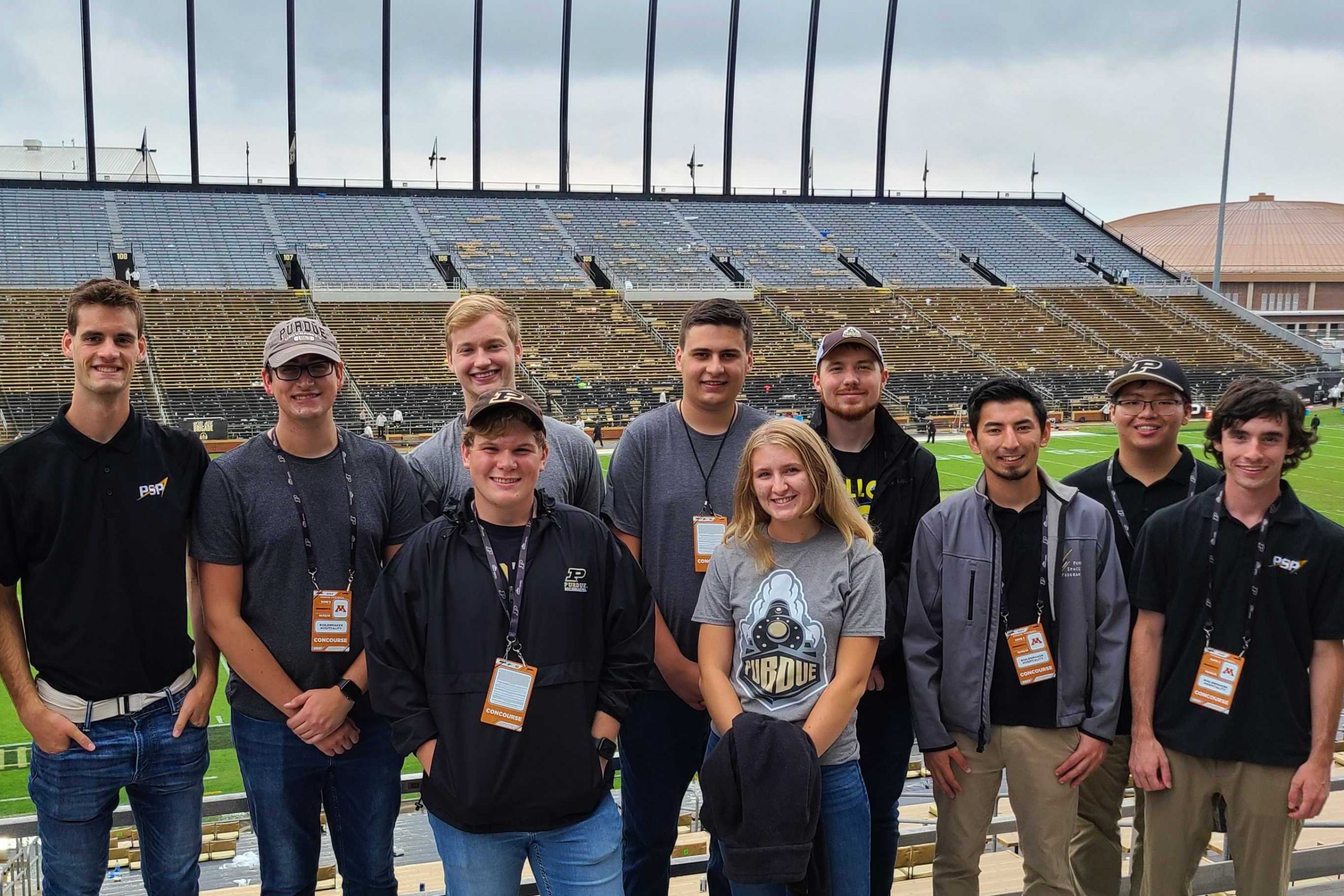
PSP-HA is a student team
dedicated to the research of
experimental high-altitude rockets.
PSP High Altitude is determined to launch and recover a two-stage payload-carrying high-altitude rocket beyond the Karman Line. Our subteams allow students to develop specialized, industry-relevant skills while contributing directly to flight hardware. These subteams include structures, mechanisms, avionics, business, mechanisms, propulsion, simulations, and structures.
Current Projects
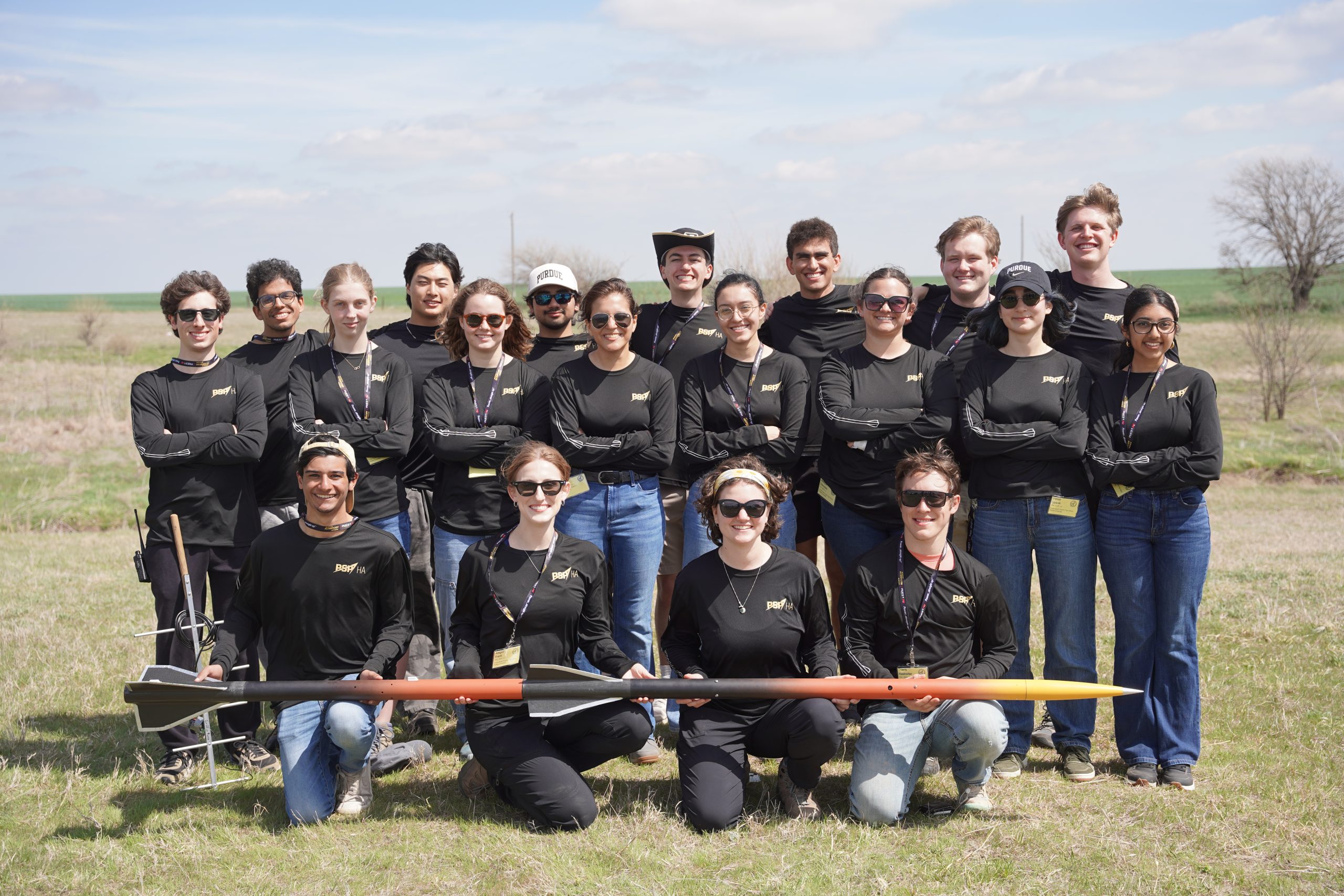
High Altitude is currently working on our most ambitious and technical project to date: Centurion. This new rocket is designed to hit 100,000 feet, reaching speeds of roughly Mach 3. This rocket will shatter Purdue University’s altitude record and launch a third of the way to space.
We are also designing a further optimized rocket to compete once again in the Argonia Cup, aiming for a first place finish among top collegiate two-stage rocketry teams from across the country.
SUBTEAMS
Structures
The Structures team analyzes initial designs, selects materials, determines manufacturing procedures, and plans internal element layouts. They iterate on designs by creating CAD models and top-level assemblies, then ultimately build the rocket itself. Their work focuses on materials, structural components, testing, CAD, FEA, CFD, and manufacturing. Overall, they design, fabricate, and test student-built rocket hardware, including major components such as the airframe, fins, and nose cone.

Mechanisms
The Mechanisms team creates the rocket’s stage-separation and recovery systems, ensuring the vehicle separates effectively, lands safely, and recovers all flight hardware and onboard data. They minimize the recovery system’s size to maximize payload capacity and design housings for the flight avionics. Their work involves CAD, hands-on testing, controlled energetics, and mechanical design.
Avionics
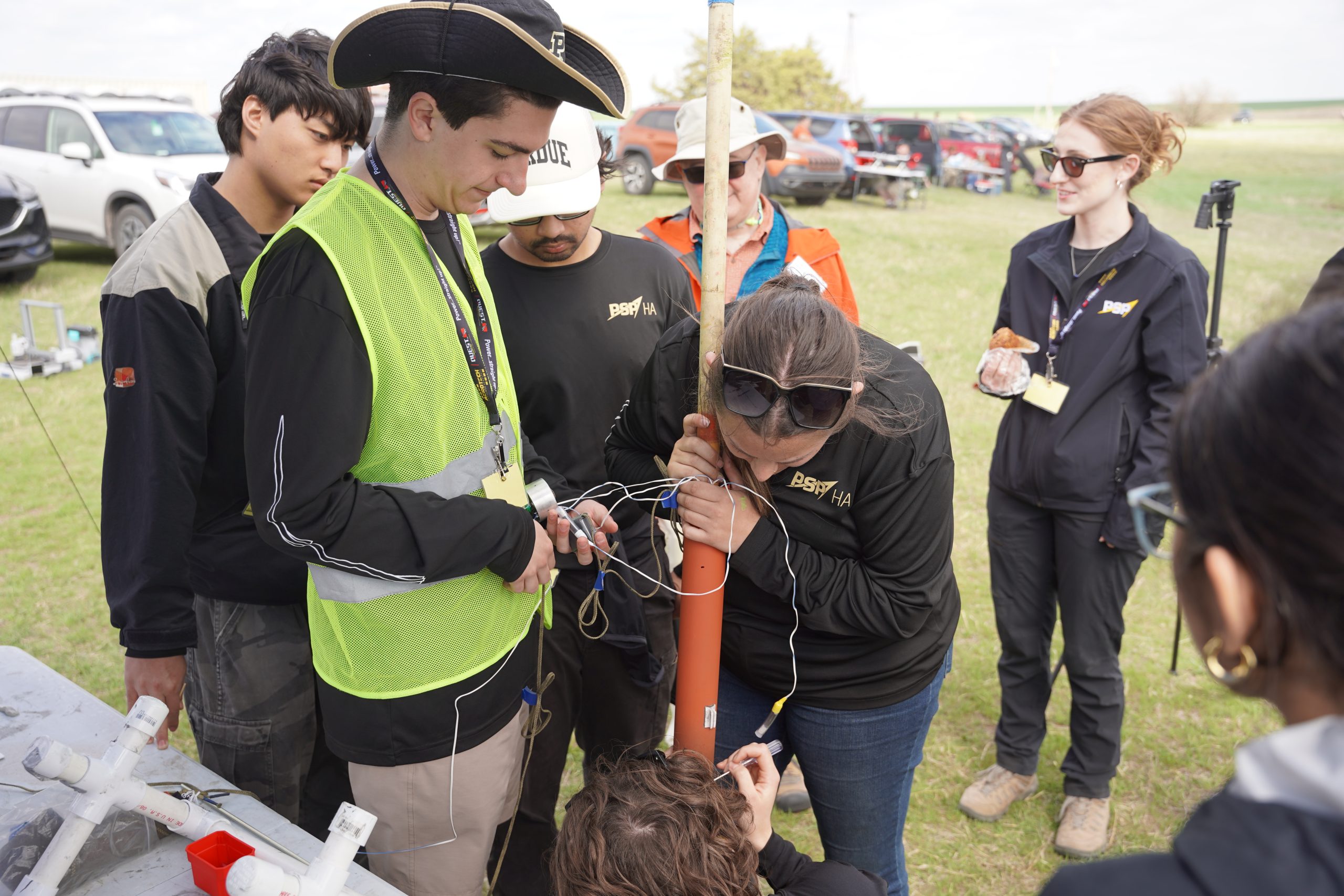
The Avionics team designs circuits and PCBs, programs ARM processors in C, analyze flight data from onboard sensors, develop software for in-flight state estimation, and research filtering and estimation methods. Their work includes both ground and flight testing, and they developed a completely custom PAL 9000 flight computer to estimate position, velocity, and attitude, record and transmit data, and control staging and recovery operations. In summary, the team specializes in electronics and hardware design, soldering, software development (MATLAB, Simulink, C, C++), and data analysis and filtering techniques.

Simulations
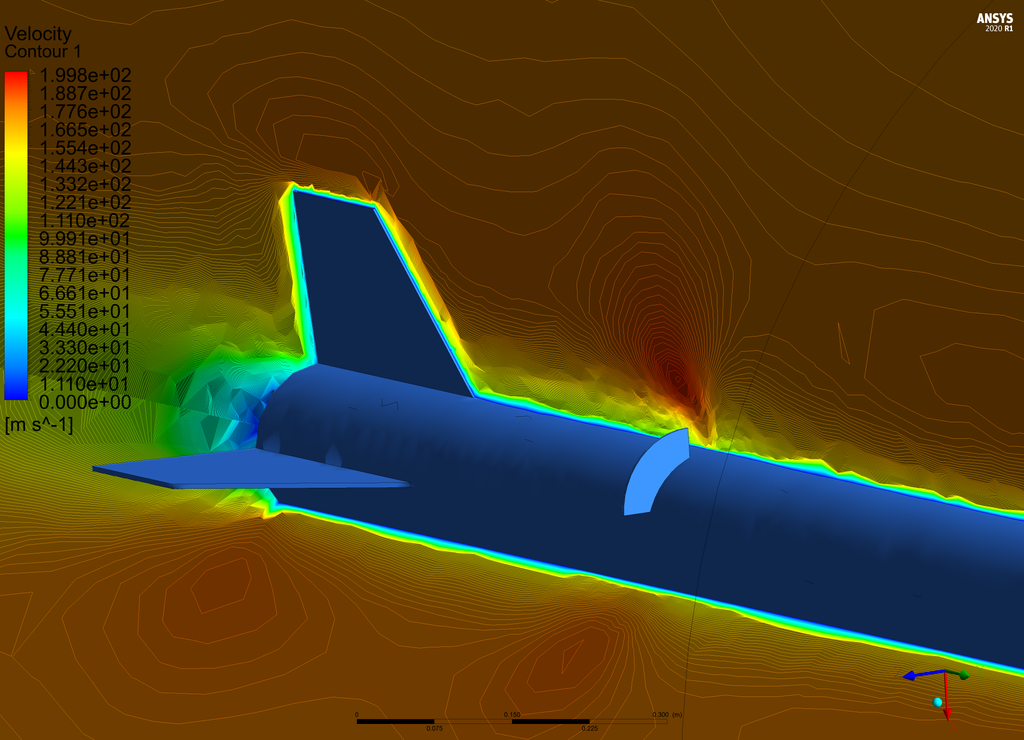
The Simulations team works on rocket sizing and optimization and performs trajectory, aerodynamic, structural, and thermal analyses using six-degree-of-freedom models, performance evaluations, and Monte Carlo simulations. Their work includes MATLAB and Simulink modeling of rocket dynamics, including supersonic and hypersonic aerodynamics, as well as dispersion analysis and statistical methods. Using CFD, FEA, and 6-DOF modeling, they predict flight conditions and support design decisions across the project.
Propulsion
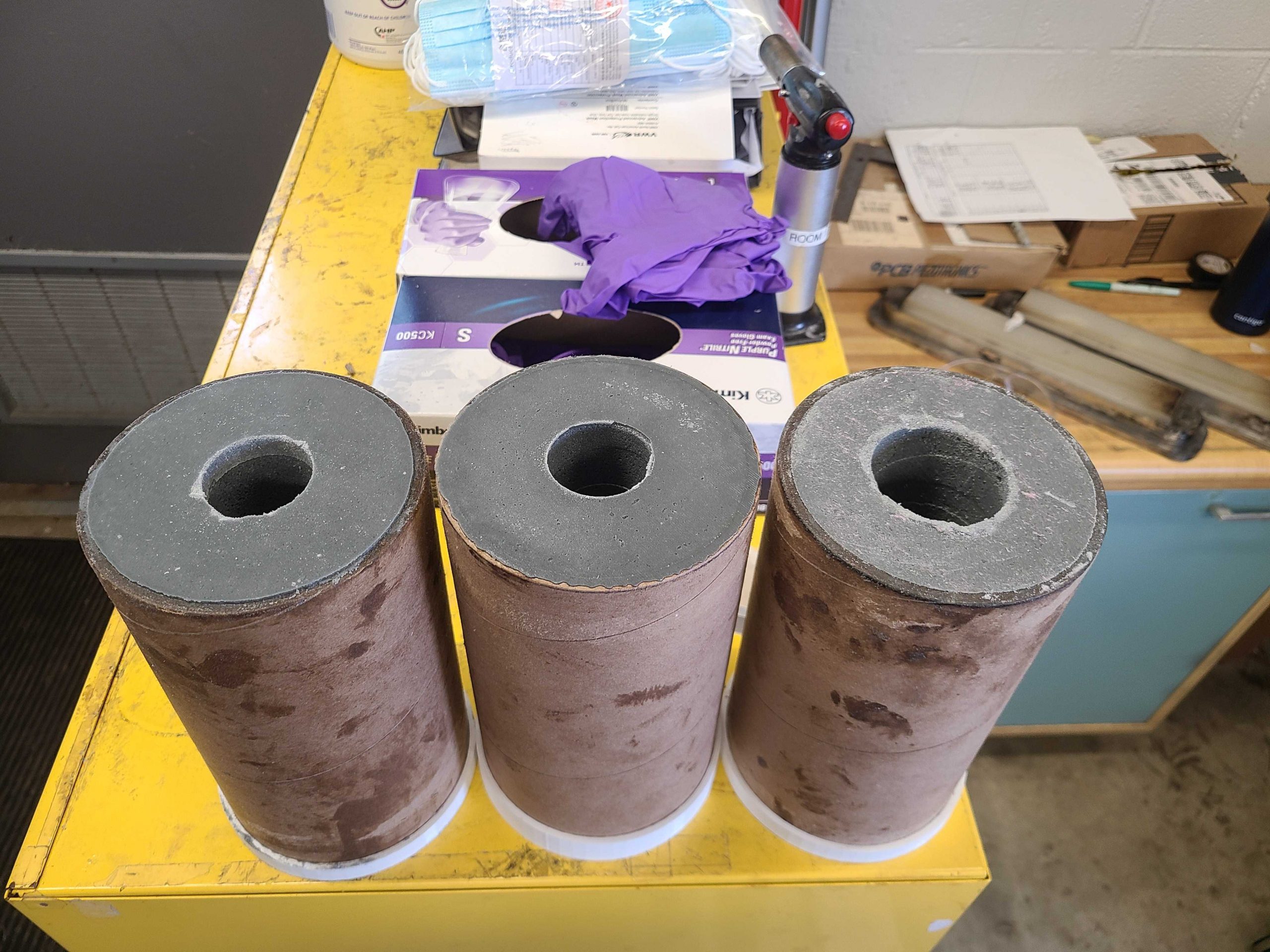
The Propulsion team designs, builds, and tests rocket motors, taking responsibility for both SRAD and COTS propulsion systems. They manufacture propulsion hardware, mix and cast propellants, and conduct static fires of custom SRAD motors while also launching both SRAD and COTS motors. Their work includes testing new ignition system designs, and they utilize Purdue’s Zucrow Propulsion Laboratories to mix fuels and test student-researched and student-designed rocket motors.
Business
The Business team promotes HA, applies for grants, manages finances, organizes fundraising events, and designs merchandise.